Independent technical publication · Spain
Useful heat, recovered and raised to process temperature
Industrial heat pumps can turn refrigeration heat, warm effluent and other low-grade sources into hot water, drying heat and steam. The opportunity is real, but it depends on temperature lift, operating hours and process integration.
The first question
Where does the low-grade heat go now?
Plants often reject heat from refrigeration, cooling water, compressors, exhaust air or effluent while burning fuel elsewhere. The strongest heat-pump projects connect a measurable source to a nearby demand with a manageable temperature lift.
Direct heat exchange should be considered first. A heat pump earns its place when recovered heat must be upgraded before the process can use it.
Research paths
Start with the decision you need to make
Each cluster moves from principles to plant data, integration and limitations. No quotations and no implied engineering service.
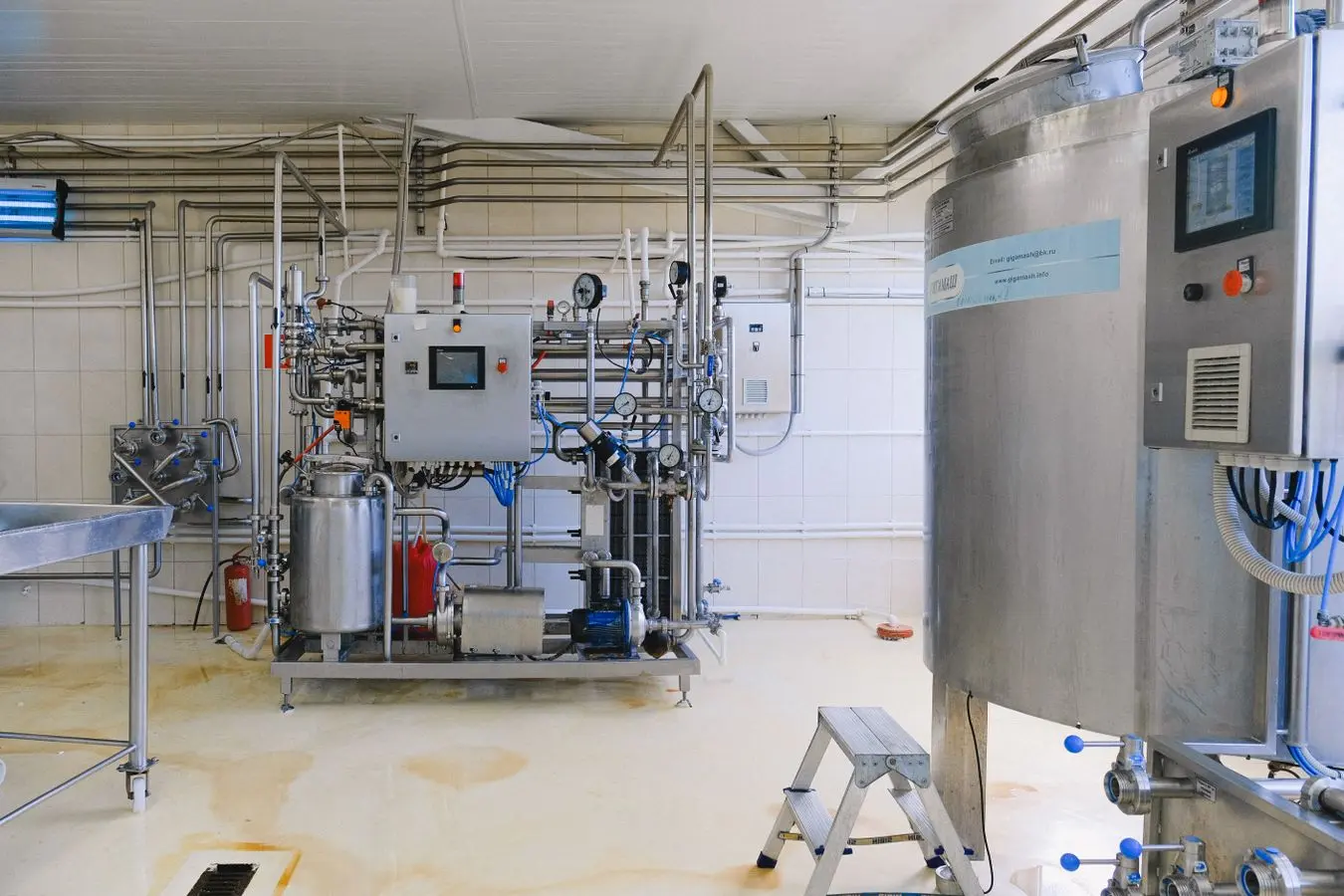
Understand the technology
Cycles, temperature lift, COP, high-temperature systems and steam.
Read the cluster →
Use the engineering methods
Source-sink mapping, performance maps, pinch analysis, controls and verification.
Read the cluster →
Test project feasibility
The measurements, constraints and economics that decide whether a concept works.
Read the cluster →
Explore process integration
Waste heat, refrigeration, boilers, storage, solar PV and electrical capacity.
Read the cluster →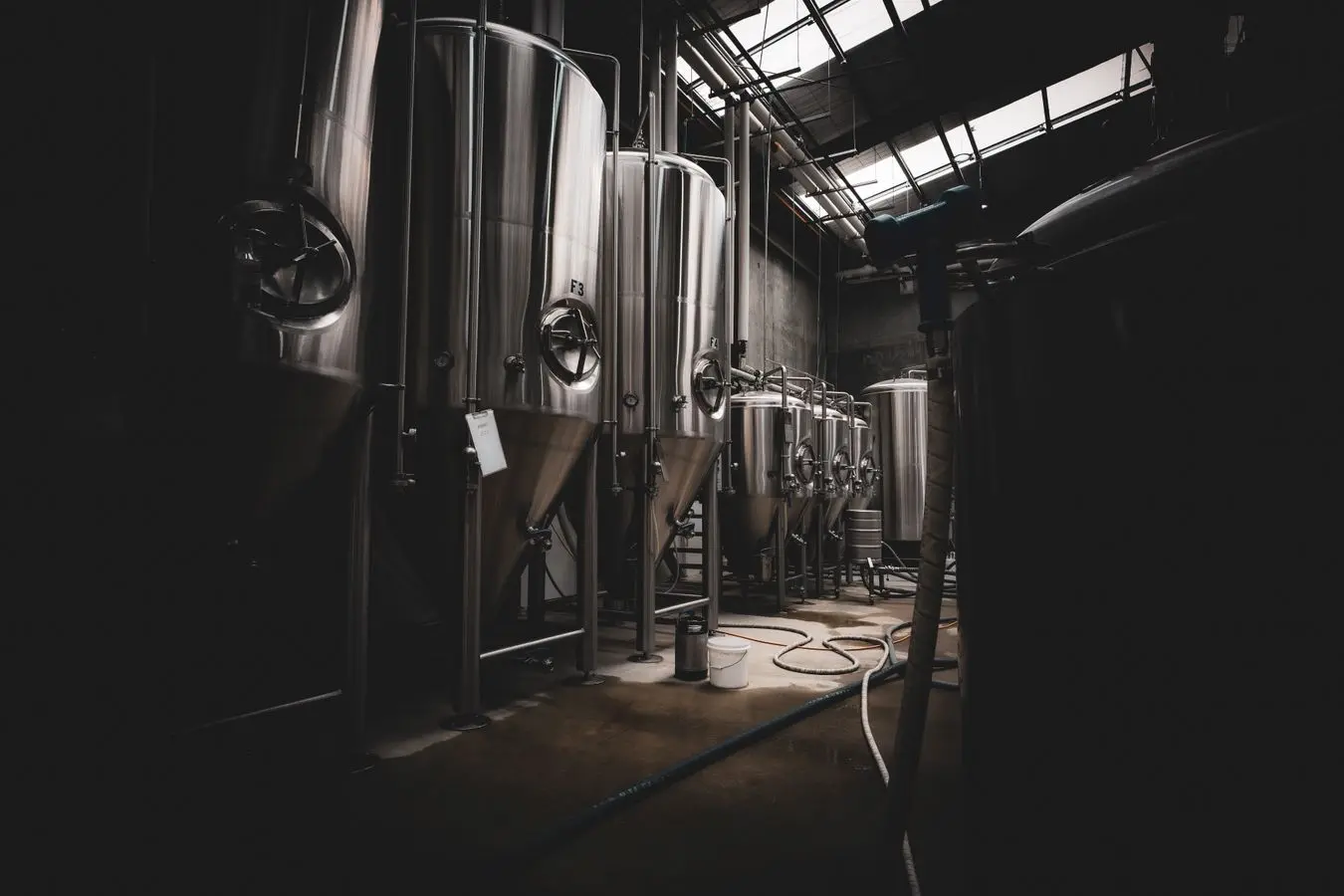
Find applications by industry
Spanish opportunities in food, cold storage, paper, textiles and process industries.
Read the cluster →
Check the position in Spain
Policy, CAEs, support mechanisms, refrigerants and the status of current programmes.
Read the cluster →Feasibility sequence
A product catalogue is not a feasibility study
Performance comes from the relationship between the plant and the machine.
How to commission a useful study →- MapSource and sink temperatures, flows and schedules
- MatchPrioritise direct recovery and the smallest useful lift
- ModelPart-load performance, tariffs, backup and grid demand
- VerifyMeasure the system boundary after commissioning
A strong Spanish use case
Cooling and heating on the same site
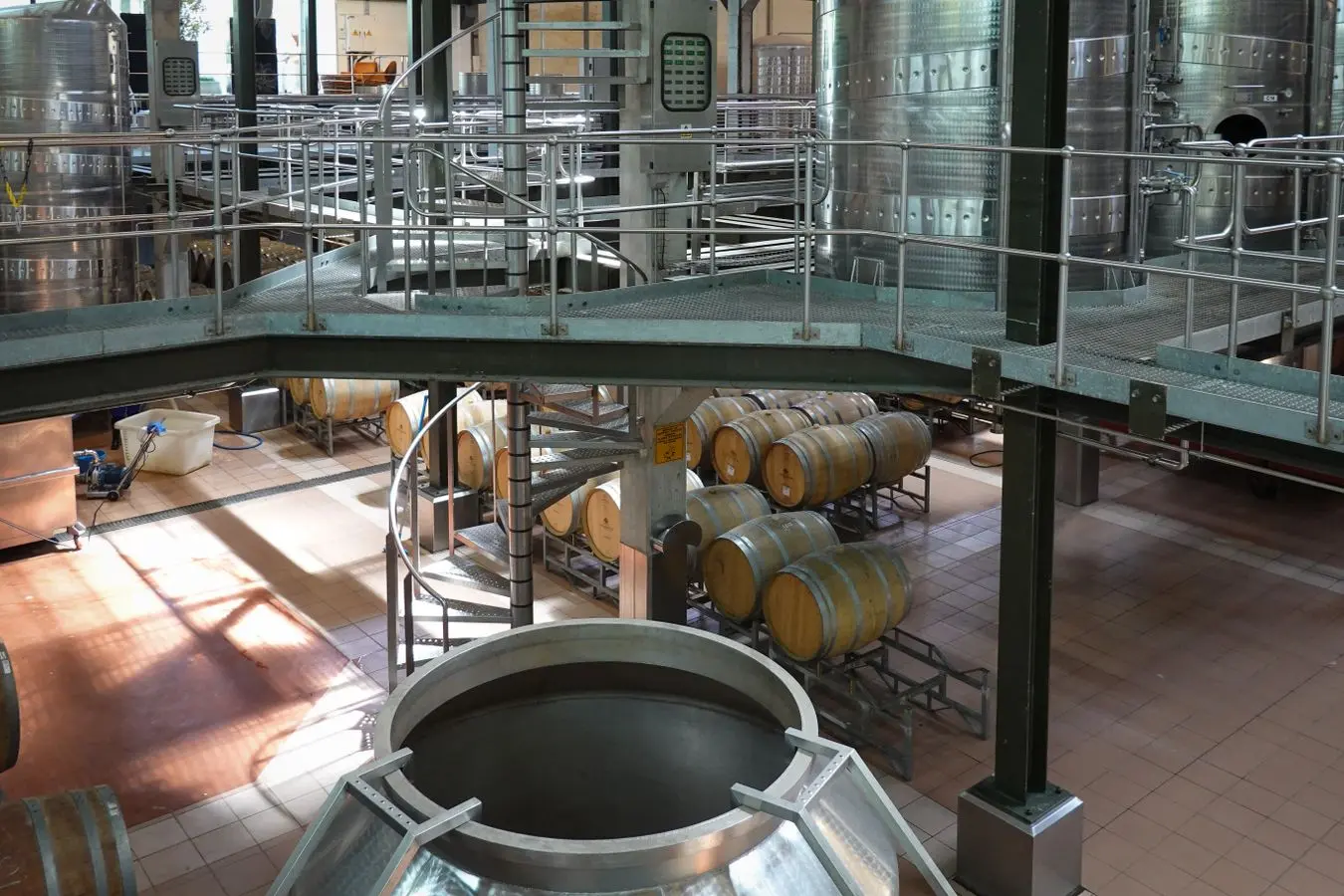
Dairies, breweries, wineries, food processors and cold stores can reject refrigeration heat while using hot water. Coincidence makes the heat source more valuable.
Understand refrigeration heat recovery →Evidence before claims
Research the equipment and the operating evidence
The reference indexes separate published product limits from project performance. Spanish records sit inside a wider international evidence base and every record states what its original source supports.
Industrial heat-pump model index
Filter by manufacturer, sink temperature and whether capacity data is published. Missing figures remain missing.
Explore models →1 Spanish record, 31 internationalHeat-pump project evidence
Operating plants, demonstrations, construction projects and announcements are separated by status and evidence source.
Explore projects →Recently reviewed
Spain policy and technology status
Funding pages distinguish announcements, consultations, open calls and closed programmes.
High-temperature industrial heat pumps
What is commercially established, what is emerging and where temperature claims need careful qualification.
Reviewed 21 August 2026SpainCurrent grants and industrial heat-decarbonisation support
How to verify whether Spanish support is open, applicable and compatible with a proposed project.
Reviewed 21 August 2026SpainSpanish Energy Savings Certificates for industrial heat pumps
What CAEs represent and how a measured industrial project may generate value.
Reviewed 21 August 2026Editorial position
Independent information before commercial intent
This publication does not install, design or supply industrial heat pumps. It has no engineering or installer partner and does not offer quotations.
Manufacturer information is used only for defined products or technologies. Site performance requires plant data and competent engineering.
Read the editorial policy →